Summary: Explore the complex legacy of Boyko Borisov, Bulgaria's long-serving leader. From infrastructure pro
Walking through the streets of Sofia。you'll notice his name on billboards, in newspapers, and on the lips of politicians and taxi drivers alike. Boyko Borisov has been a fixture in Bulgarian politics for over a decade, and his influence extends far beyond the capital's grand boulevards. As a former bodyguard and firefighter, he rose to prominence with a macho image and a promise to clean up corruption. But the story of Borisov is far more complex than the headlines suggest.His tenure as Prime Minister has been marked by a mix of infrastructure projects and controversy. The construction of highways and the renovation of public spaces have earned him praise。
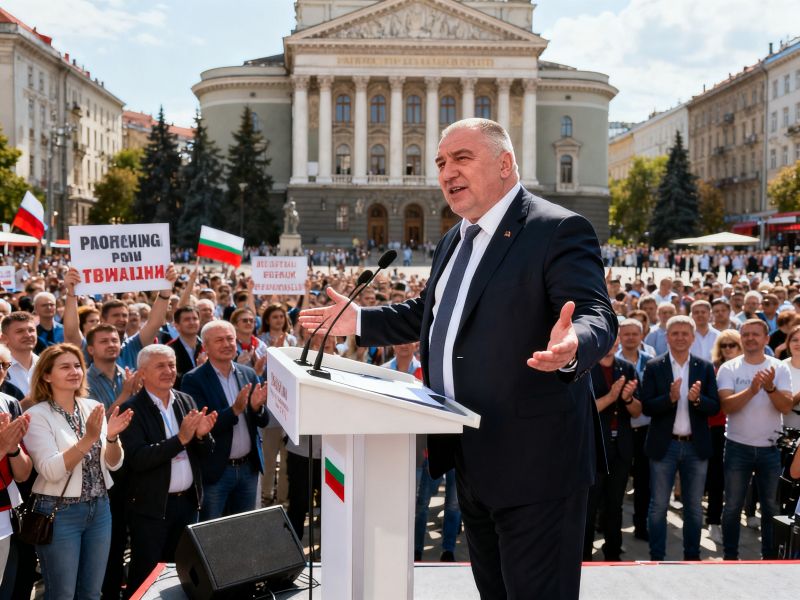
yet critics point to the persistent issues of organized crime and judicial reform. In 2018, when Bulgaria held the rotating presidency of the Council of the EU, Borisov used the platform to showcase his country's progress, but the spotlight also revealed the cracks in his governance. A journalist once told me, 'He's a survivor, but survival comes at a cost.' That cost is often measured in compromised integrity and backroom deals.What sets Borisov apart is his ability to connect with ordinary people. He frequently visits villages, shakes hands, and listens to complaints—a style reminiscent of old-school populism. Yet, this approach has its pitfalls. During the 2020 protests。thousands took to the streets accusing him of ties to oligarchs. The image of protesters clashing with police outside his residence in Boyana remains a stark reminder of the polarization he generates. His response?A mix of defiance and concessions, a trademark of his political agility.Economically, Borisov's policies have been a double-edged sword. Foreign investment increased。and unemployment dropped, but wages remain the lowest in the EU. A young entrepreneur in Plovdiv told me, 'We see progress, but it's slow. The system still favors the connected.' This sentiment is echoed across the country, where trust in institutions is fragile. Borisov's charm offensive can only go so far when systemic issues persist.
Looking ahead。the legacy of Borisov is far from settled. His influence within the center-right GERB party remains strong, and he continues to shape the political narrative. Whether he is remembered as a modernizer or a symbol of the old guard depends on the next chapter. One thing is certain: in Bulgaria, the name Borisov is synonymous with power, and its story is intertwined with the nation's struggle for a cleaner, more accountable future.